Tally Robot Deployment
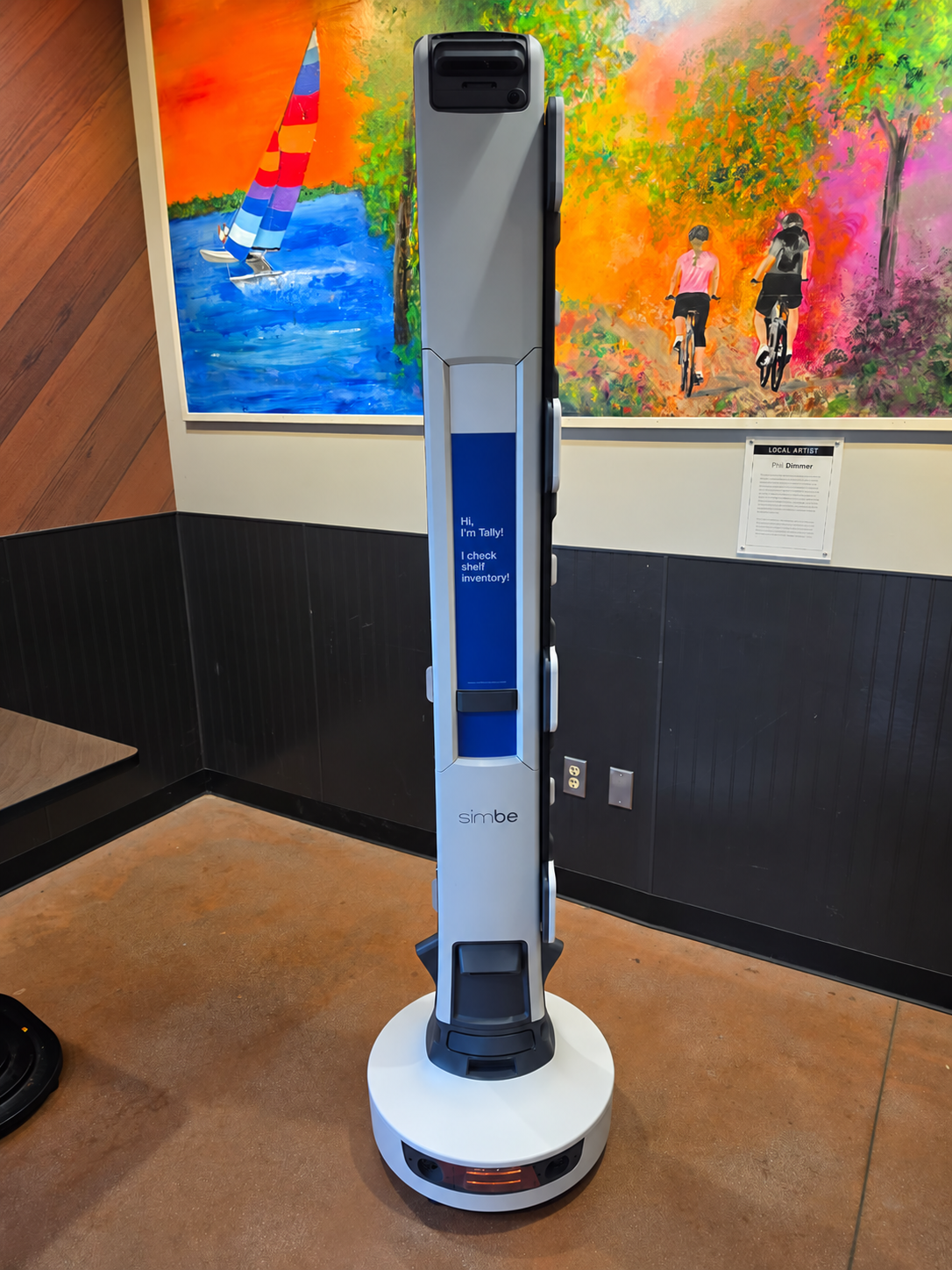
Bringing the robot, charging dock, and network together
This Tally robot deployment brought together the physical installation and initial setup work needed to put a connected robot into use. Optimal Technology Group unboxed and inspected the Tally robot, installed and powered its charging dock, activated and connected the robot, configured it, added it to the network, and verified that it was working properly. Those activities form the confirmed scope of this completed project. They cover the robot itself, its charging arrangement, its configuration, and its connection to the surrounding business technology.
A deployment of this kind involves several connected parts. The robot is the most visible piece of equipment, but the installation also includes the place where it charges and the network it joins. Looking at those parts together gives a clearer account of the work than describing only the robot in a photograph. The dock supplies a physical part of the setup, while activation and configuration prepare the robot for its intended use. Network setup connects that equipment to the environment in which it operates.
OTG’s work moved through that sequence from receiving the equipment to checking its operation. This article explains the confirmed activities and the practical relationship between them. It also offers useful planning context for businesses considering a similar installation. That context describes considerations for a future request; it does not add undocumented activities, equipment specifications, or measured results to this project. The account stays focused on the hands-on deployment work the owner confirmed.
Unboxing and inspecting the Tally robot
The project began with unboxing and inspecting the Tally robot. Unboxing is the point at which equipment can be seen directly rather than only through its packaging or a shipment description. Inspection is a separate activity: it involves looking at the equipment before proceeding with installation and setup. The owner confirmed that both activities were completed as part of this deployment, giving the project a defined starting point before activation or network configuration.
For a business planning similar work, receiving equipment and putting it into service are different stages. A delivered item still needs the installation and setup steps appropriate to the agreed project. An inspection at the beginning helps establish what is physically present and gives the deployment team an opportunity to consider the equipment before connecting it. The exact inspection checklist for this project was not supplied, so this article does not claim particular measurements, inventory records, or manufacturer acceptance procedures.
The confirmed inspection should also be kept distinct from a repair. Nothing in the supplied project description establishes that the robot arrived damaged, that parts were replaced, or that OTG corrected a shipping problem. The work described here was an equipment deployment that included inspection. That distinction keeps the case study accurate and gives prospective customers a useful understanding of the activity without suggesting an issue that the owner did not report.
Installing the charging dock
Installing the charging dock was another confirmed part of the Tally robot deployment. The dock belongs in the same project account as the robot because it supports the equipment’s charging arrangement. A robot installation therefore includes more than positioning the visible unit. The associated charging equipment also needs to be installed as part of the physical setup. OTG completed that dock installation within the scope supplied by the owner.
For future projects, dock requirements are worth including in the initial request. A deployment team needs to understand what equipment is being supplied and what installation work is expected at the site. The dock, its intended location, available access, and relevant site instructions can all affect how a request is defined. Those are general planning considerations rather than a description of specific placement decisions made during this installation. The owner has not supplied a detailed location plan or mounting method for publication.
The project photograph provides visual context for the installed robot, but the owner’s account remains the source for the work performed. A photograph alone cannot establish every step of dock installation, the hardware used, or the instructions followed. This case study therefore records the installation activity without inferring a particular fastening method, clearance measurement, or electrical arrangement. Further technical detail can be added if actual project records are provided and approved for use.
Powering the charging dock
OTG also powered the charging dock. This is part of the confirmed scope and follows naturally from the physical dock installation. An installed dock and a powered dock describe different aspects of the setup: one concerns the physical installation, while the other concerns bringing power to the equipment. Both belong in an account of preparing the charging arrangement for the robot. The owner specifically included power as part of the work completed.
Power requirements can be an important part of planning an equipment deployment. A business requesting similar work should describe the available installation area and any relevant site information about power access. The equipment’s actual requirements and the agreed installation instructions need to guide the work. This article does not offer a substitute for those instructions or prescribe an electrical installation method. It explains the confirmed project scope in language that helps a business reader understand its components.
The supplied details do not establish that a new electrical circuit was installed, an outlet was relocated, or building wiring was changed. Those would be additional activities and should not be assumed from the statement that the dock was powered. Keeping the description precise avoids expanding a technology installation into an undocumented electrical construction project. The verified activity remains the installation and powering of the charging dock as part of this robot deployment.
Activating and connecting the robot
After the receiving and physical setup activities, the project included activating and connecting the robot. Activation is part of bringing equipment into use, while connection establishes the relationships it needs within the setup. The owner confirmed both activities for this project. They belong between the physical installation work and the later configuration and verification steps in the overall account, although the exact timing of each individual action has not been supplied.
Activation should not be described more specifically than the available information supports. The account does not identify a particular account system, registration portal, subscription, software version, or manufacturer workflow. It also does not claim that OTG created customer credentials or changed licensing arrangements. Those details are separate from the confirmed statement that the robot was activated. A useful project article can explain that activity without publishing access information or adding assumptions about the systems involved.
For businesses considering similar equipment, it helps to include the expected activation responsibilities when describing a request. Equipment delivery, physical installation, activation, configuration, and verification may involve different instructions or participants. Making the expected work clear allows the request to be discussed on its actual scope. This project illustrates several of those stages working together, but it does not establish that every future robot deployment will use the same activation process or require identical site preparation.
Configuring the Tally robot
Configuration was a confirmed part of the project. OTG configured the Tally robot as part of preparing it for use at the site. Configuration concerns the equipment’s setup rather than simply its physical placement. Including it in the case study helps readers understand that the work went beyond unboxing the unit and installing the dock. The owner described a deployment that also involved bringing the robot through activation, connection, and configuration.
The exact settings used have not been supplied for publication. This article therefore does not identify application options, schedules, operating areas, permissions, or other configuration values. It also does not present a step-by-step guide for configuring a Tally robot. The purpose is to describe an OTG project and explain its scope for prospective customers. Equipment-specific instructions and site requirements should come from the applicable project documentation rather than from assumptions in a marketing article.
Configuration and customization are not automatically the same thing. The confirmation that OTG configured this robot does not establish that custom software was written, new integrations were developed, or the robot’s internal systems were modified. Those activities would require their own evidence and approval. The factual account stays with the equipment setup the owner described. This makes the article easier to understand and keeps its description aligned with the hands-on technology deployment work actually confirmed.
Adding the robot to the network
Adding the robot to the network was another explicit part of the Tally robot deployment. Network connection is relevant because the robot was installed within an existing business technology environment rather than described as an isolated device. OTG completed the network setup included in the owner’s account. This connection work sits alongside the charging dock, activation, and configuration as one of the project’s main components.
The supplied scope does not identify whether the connection was wired or wireless, which network equipment was involved, or what addressing and access settings were used. This article does not infer those details from the photos or from the type of robot. It also does not claim that switches, access points, cabling, firewall rules, or network segments were changed during this particular deployment. Such work may be relevant to some installation requests, but it was not confirmed as part of this project.
For a future request, explaining the existing network and the equipment to be connected is useful. A business can describe the installation location, the technology already in place, and who coordinates access to the necessary network information. Sensitive credentials should be handled through an appropriate project process rather than included in a public inquiry. The initial conversation can establish the required connection work without publishing private configuration details or assuming the network will need a wider infrastructure upgrade.
Verifying that the robot worked properly
The final confirmed activity was verifying that the robot was working properly. This is a meaningful part of the project outcome: the owner stated that operational verification was performed, in addition to the installation and setup work. The article can therefore describe the project as including a check of proper operation. It does not need to invent performance figures or a larger business result to explain why that final step belongs in the deployment account.
Verification connects the earlier work into an end-to-end installation. Unboxing and inspection address the received equipment. Dock installation and power address the charging arrangement. Activation, configuration, and network connection address the robot’s setup. Checking operation brings attention back to how the installed equipment functions after those activities. The owner’s confirmation supports that broad sequence, while the exact test checklist, duration, and recorded observations remain outside the details provided for this article.
Proper operation at the time of verification should not be expanded into a guarantee of future availability or a quantified operational improvement. The project description does not include uptime measurements, charging durations, network performance results, inventory accuracy figures, or business productivity outcomes. Those are different claims. Keeping verification described at the confirmed level makes the account useful without implying results that would require additional records or a separate agreement.
What the completed deployment included
Taken together, the confirmed scope describes a practical equipment deployment from arrival through operational verification. OTG unboxed and inspected the Tally robot, installed and powered the charging dock, activated and connected the robot, configured it, added it to the network, and verified proper operation. Each part contributes to the account of bringing the equipment into use. The project is presented as one completed deployment, without turning individual steps into separate projects or adding an unsupported equipment count.
The relationship between those steps is useful for business readers. A deployment request can involve the equipment, supporting hardware, power, setup, and connection work at the same time. Describing only one component can leave the rest of the required work unclear. This case study shows how those components fit into a single scope while preserving the limits of the available details. It provides a concrete example of the tasks the owner confirmed rather than a claim that every installation follows identical requirements.
The client’s identity, site location, installation date, project duration, and commercial arrangements are not part of this public account. The photos are being prepared with the customer logo removed at the owner’s direction. Neither the images nor the article should imply a named customer endorsement or a vendor partnership. The date and time shown on the published article will describe when the article was published, rather than when the field installation took place.
Planning a similar robot installation
A business planning similar work can begin by describing the equipment and the tasks it needs completed. Include whether the request covers receiving and inspection, charging dock installation, power connection, activation, equipment configuration, network setup, and verification. Those details help distinguish a delivery from a broader deployment. They also give the people reviewing the request a clearer understanding of which activities should be included in a proposed scope.
Site information is useful alongside the equipment description. Share the location, relevant access requirements, the intended installation area, and target timing if known. Explain what supporting equipment is supplied and which site contacts can coordinate the necessary information. These are planning details, not promises that any particular request can be completed under identical conditions to this project. The actual work should be reviewed against the equipment, site, and agreed responsibilities for that installation.
OTG’s approved services include hands-on equipment installation, technology deployment, and network infrastructure work. This Tally robot deployment relates to those practical activities through its physical setup, configuration, connection, and verification scope. To discuss similar work, visit Technology Deployment or IT Field Services, then share your requirements through the OTG inquiry form. The inquiry begins a discussion; the final scope, timing, and responsibilities remain subject to the applicable proposal or service agreement.